

Book Your Storage Unit in Just a Few Clicks!
Looking for Storage Units in Middletown, PA? Here’s What to Know Before Renting
Finding the right storage unit can make moving, renovating, downsizing, or organizing your belongings much easier. If you are searching for storage units in Middletown, PA, it is important to consider more than just the monthly rental price. Unit size, convenient access, security features, climate control, and rental terms can all affect your experience.
Whether you need extra space for household furniture, seasonal belongings, business supplies, or items during a move, choosing the right storage solution can help you stay organized without overcrowding your home or workplace.
Before renting a storage unit, take time to understand your needs, compare available unit sizes, and review the rental agreement. This guide covers the essential factors to consider so you can make an informed storage decision.
Why You Might Need a Storage Unit
A storage unit provides additional space when your home, apartment, garage, or workplace cannot comfortably accommodate all your belongings. It can also offer flexibility during life changes when you need a temporary place to keep your possessions.
Moving to a New Home
Moving schedules do not always align perfectly. You might need to leave your current property before your new home is ready, or you may prefer to move your belongings in stages.
A storage unit can hold furniture, boxes, appliances, and other household items until you are ready to move them into your new space. Having a separate place for your belongings can also make packing and unpacking more manageable.
Renovating or Remodeling
Home improvement projects often require rooms to be cleared before work begins. Furniture, decorations, electronics, and packed boxes can take up valuable space while contractors complete their work.
Renting storage during a renovation helps keep belongings out of the work area. It may also make it easier to organize construction materials and maintain a safer, less cluttered environment.
Creating More Space at Home
Seasonal decorations, sports equipment, extra furniture, and keepsakes can gradually fill closets, garages, and spare rooms.
A storage unit provides a place for items you want to keep but do not need every day. This can help you maintain a more organized living environment while keeping important possessions available when needed.
Student and Business Storage
Students may need temporary storage when changing accommodation or moving between semesters. A storage unit can help keep boxes, furniture, and other belongings together during these transitions.
Businesses may need additional room for inventory, supplies, tools, documents, or promotional materials. Before storing commercial items, confirm that the facility permits your intended use and the items you plan to keep there.
How to Choose the Right Storage Unit Size
Selecting the right unit size is one of the most important steps when searching for storage units in Middletown, PA. A unit that is too small can make loading and retrieving belongings difficult, while a unit that is too large may increase your monthly costs unnecessarily.
Start by creating an inventory of everything you intend to store. Include furniture, appliances, boxes, equipment, and unusually large items. Then consider whether you will need to access particular belongings regularly.
Approximate Unit Size | Common Storage Uses |
|---|---|
5 × 5 feet | Boxes, seasonal decorations, and small personal belongings |
5 × 10 feet | Belongings from a small room or a limited furniture collection |
10 × 10 feet | Furniture and boxes from a small apartment, depending on the inventory |
10 × 15 feet | Larger furniture collections and belongings from several rooms |
10 × 20 feet | Larger household loads, furniture, appliances, and boxes |
10 × 30 feet | Large storage needs or certain approved vehicle-storage uses |
These are general estimates, not guaranteed capacities. Actual storage needs depend on the size and shape of your belongings, how efficiently they can be stacked, and whether you need room to walk inside the unit.
Should You Choose a Larger Unit?
A larger unit may be useful if you expect to add more belongings or need regular access to stored items. Leaving a walkway can make it easier to retrieve boxes without rearranging everything.
However, paying for extra space is not always necessary. If you have only a few boxes and compact furniture, a smaller unit may be more economical.
Ask about the exact dimensions, door width, and ceiling height before reserving your space.
Climate-Controlled vs. Standard Storage
When choosing storage units in Middletown, PA, consider whether your belongings need additional protection from temperature and humidity changes.
What Is Climate-Controlled Storage?
Climate-controlled storage is designed to maintain more consistent indoor environmental conditions than a typical outdoor-access unit. The actual temperature and humidity management vary by facility.
It may be appropriate for:
Wooden furniture and certain musical instruments.
Electronics and media.
Photographs, books, and paper records.
Clothing, fabrics, and sensitive household items.
Belongings that will remain in storage for an extended period.
Climate control does not guarantee complete protection from damage. Ask about the facility’s environmental conditions and follow the manufacturer’s storage recommendations for sensitive items.
When Is Standard Storage Suitable?
Standard storage may be suitable for durable belongings that can tolerate normal environmental changes. Examples may include plastic containers, tools, outdoor equipment, and certain household items.
Consider how long your belongings will remain in storage and whether they are sensitive to moisture or temperature fluctuations.
Middletown experiences seasonal weather changes, so choosing a suitable storage environment is important, particularly for delicate or valuable possessions.
Questions to Ask About Climate Control
Before renting, ask whether the unit is indoors, how environmental conditions are managed, and whether the facility has specific temperature or humidity limits.
Also consider suitable packaging, protective covers, and containers. The right combination of storage conditions and preparation can help reduce avoidable damage.
How Much Do Storage Units Cost in Middletown, PA?
The cost of storage units in Middletown, PA, depends on several factors, including unit size, features, availability, location, and rental terms.
Smaller units generally require less space and may cost less than larger units. Features such as climate control, indoor access, and specialized vehicle storage may also affect the rental price.
Because rates and promotions can change, request a current quote before making a decision.
Understand the Total Rental Cost
The advertised monthly price may not include every expense associated with renting a storage unit.
Cost Factor | What to Check |
|---|---|
Monthly rent | The recurring charge for your selected unit |
Administrative fees | Any one-time setup or account fees |
Protection coverage | Whether insurance or approved protection coverage is required |
Lock costs | Whether you need to provide or purchase a lock |
Moving expenses | Transportation, packing supplies, and labor |
Rate changes | How and when rental prices may change |
Late fees | Charges that may apply to overdue payments |
Ask for a written breakdown of your initial payment and ongoing rental costs. If a promotional offer is available, confirm how long it lasts and what the regular rate will be afterward.
How to Choose Storage That Fits Your Budget
Start with your budget, but do not choose a unit based on price alone. A low-cost unit may not meet your needs if it is too small, inconvenient to access, or unsuitable for your belongings.
Compare the features included in the rental price and consider how long you expect to need storage. Understanding the complete cost can help you make a more practical decision.
Features to Check Before Renting
The right storage unit should fit your belongings, schedule, and budget. Before committing to a rental, consider the following features.
Convenient Location
Think about how often you will visit your unit. If you expect to retrieve belongings frequently, choosing a convenient location in Middletown may save time and travel.
If you only need temporary storage during a move, you may have more flexibility in selecting a location that fits your moving route.
Access Hours
Storage access hours can differ from office hours. A facility may allow customers to enter the property outside the hours when staff members are present.
Confirm the exact access schedule, including weekends and holidays. If you require early-morning or late-evening access, make sure the rental arrangement supports your needs.
Security Features
Ask about the facility’s security measures, which may include gated entry, lighting, surveillance, and controlled access.
These measures can help manage access to the property, although no security system eliminates every risk. Find out whether you need to provide your own lock and whether the rental agreement requires insurance or other protection coverage.
Drive-Up Access
Drive-up storage can make loading and unloading easier because you can bring your vehicle close to the unit.
This may be helpful when storing furniture, heavy boxes, tools, and other bulky belongings. Check the available vehicle clearance and whether the unit’s location suits your moving arrangements.
Vehicle Storage
If you need to store a car, motorcycle, boat, or recreational vehicle, confirm that the facility permits the specific vehicle type.
Check the available dimensions, parking arrangements, access rules, and any documentation requirements before making a reservation.
Online Account Management
Online account services can simplify rental payments and account administration. Depending on the facility, you may also be able to reserve a unit or complete rental paperwork online.
Ask which online services are available and whether they support your preferred payment and account-management methods.
What to Know About Storage Rental Agreements
Before renting a storage unit, review the rental agreement carefully. It should explain the monthly price, payment schedule, permitted uses, access rules, additional fees, and the process for ending the rental.
Pennsylvania enacted Act 51 of 2025, adding Chapter 56 to Title 12 of the Pennsylvania Consolidated Statutes concerning self-service storage facilities. The chapter became effective on January 23, 2026. It addresses matters such as rental agreements, owner liens, default procedures, and termination or nonrenewal of agreements.
You can consult the official Pennsylvania legislation for the applicable provisions.
Understand Payment Requirements
Confirm when rent is due, which payment methods are accepted, and what happens if a payment is late.
Ask how notices are delivered and what steps apply if an account becomes overdue. Do not assume that a missed payment results only in a late fee, because Pennsylvania law provides procedures relating to storage liens and stored property.
Review Termination Conditions
Check whether the agreement is month-to-month or for a fixed period. Understand how much notice you must provide before moving out and whether any other conditions apply.
Keep a copy of your agreement and payment records for reference. If you receive a legal notice or are unsure about your rights, consider obtaining advice from a qualified Pennsylvania attorney.
Confirm Prohibited Items
Storage facilities may prohibit hazardous materials, perishable goods, animals, and other items that could create safety or operational problems.
Ask for the facility’s complete list of prohibited items before moving your belongings into the unit. Do not assume that a storage unit can be used as a residence or as a workspace for every type of business activity.
This information is general guidance, not legal advice.
How to Prepare Your Belongings for Storage
Preparing your belongings properly can help you stay organized and reduce avoidable damage.
Clean and Dry Your Items
Clean furniture, appliances, tools, and outdoor equipment before packing them. Make sure items are dry, particularly anything that may retain moisture.
Empty appliances and follow the manufacturer’s instructions for preparing them for storage. Keep food and other prohibited materials out of the unit.
Use Appropriate Packing Materials
Use sturdy boxes, protective covers, and suitable containers. Avoid overfilling boxes, which can make them difficult to carry and more likely to break.
Wrap fragile items individually and label boxes clearly. Consider protective containers for important documents and sensitive belongings.
Organize Your Storage Unit
Place heavy boxes at the bottom of stable stacks and keep frequently used items near the front. If the unit is large enough, leave a walkway for easier access.
Avoid stacking belongings so high that they could fall or block safe access. Follow any facility rules regarding ventilation and storage arrangements.
Create an Inventory
Prepare a list of the items you store. You can also photograph valuable belongings and keep relevant receipts or documentation outside the unit.
An inventory makes it easier to locate specific items and review your stored possessions without opening every box.
Common Storage Mistakes to Avoid
A little planning can prevent common storage problems.
Common Mistake | How to Avoid It |
|---|---|
Choosing the wrong unit size | Estimate your storage needs and confirm the unit’s actual dimensions. |
Focusing only on promotional prices | Check ongoing rent, fees, and rate-change terms. |
Ignoring access hours | Confirm the exact schedule before signing. |
Overlooking climate requirements | Assess whether sensitive belongings need additional environmental protection. |
Failing to review protection coverage | Understand required coverage, limits, and exclusions. |
Packing without organization | Label boxes and maintain an inventory. |
Waiting until the last minute | Plan ahead to allow time to find a suitable unit. |
Avoiding these mistakes can make the storage experience more convenient and help you select a unit that suits your needs.
Frequently Asked Questions
1. How do I choose the best storage units in Middletown, PA?
Consider the location, unit size, total monthly cost, access hours, security features, and climate-control requirements. Review the rental agreement and request a current quote before making a decision.
2. How much do storage units in Middletown, PA, cost per month?
The price depends on the unit’s size, features, availability, and rental terms. Contact the storage provider directly for current rates and ask about additional fees and promotional conditions.
3. What size storage unit do I need for a one-bedroom apartment?
A 10 × 10-foot unit may accommodate many belongings from a small apartment, depending on furniture, appliances, and the number of boxes. Review your inventory and confirm the dimensions with the facility before reserving.
4. Is climate-controlled storage worth it in Middletown, PA?
Climate-controlled storage may be appropriate for electronics, wooden furniture, photographs, paper records, and other sensitive items. Consider storage duration and manufacturer recommendations when choosing the right environment.
5. Can I rent a storage unit month-to-month?
Month-to-month arrangements may be available, depending on the rental terms. Confirm the billing schedule, any applicable fees, and the notice required when ending your rental.
6. Can I store a vehicle in a storage unit?
Some facilities permit vehicle storage, but the rules and available spaces vary. Confirm that your vehicle type is allowed and check the unit dimensions, access arrangements, and documentation requirements.
7. What should I bring when renting a storage unit?
You may need government-issued identification, payment for initial charges, and a completed rental agreement. Ask the facility whether insurance documentation, a specific lock, or any additional paperwork is required.
8. Do storage units offer 24-hour access?
Access policies vary by facility and rental type. Confirm the permitted hours and any restrictions before reserving if you need access outside standard business hours.
Conclusion
Finding the right storage units in Middletown, PA, starts with understanding what you need to store, how much space your belongings require, and how often you will need access.
Consider unit dimensions, climate control, security measures, access hours, and the total rental cost. Read the agreement carefully and prepare your belongings before moving them into storage.
By planning ahead and choosing a unit that fits your needs, you can keep your belongings organized, create more usable space, and make your next move or home project easier.
If you are ready to explore your storage options, review the available unit sizes, ask about current pricing, and contact the storage facility to discuss your requirements.
what they say ?
They Stored with Us. Here’s What They Think

"As a small business owner, I was running out of space fast. Their business storage units helped me stay organized without breaking the bank."

"I love how easy it is to book online and access my unit 24/7. Super convenient and reliable!"

"Excellent customer service and spotless facilities. I’ve used other storage companies before, but this one stands out."

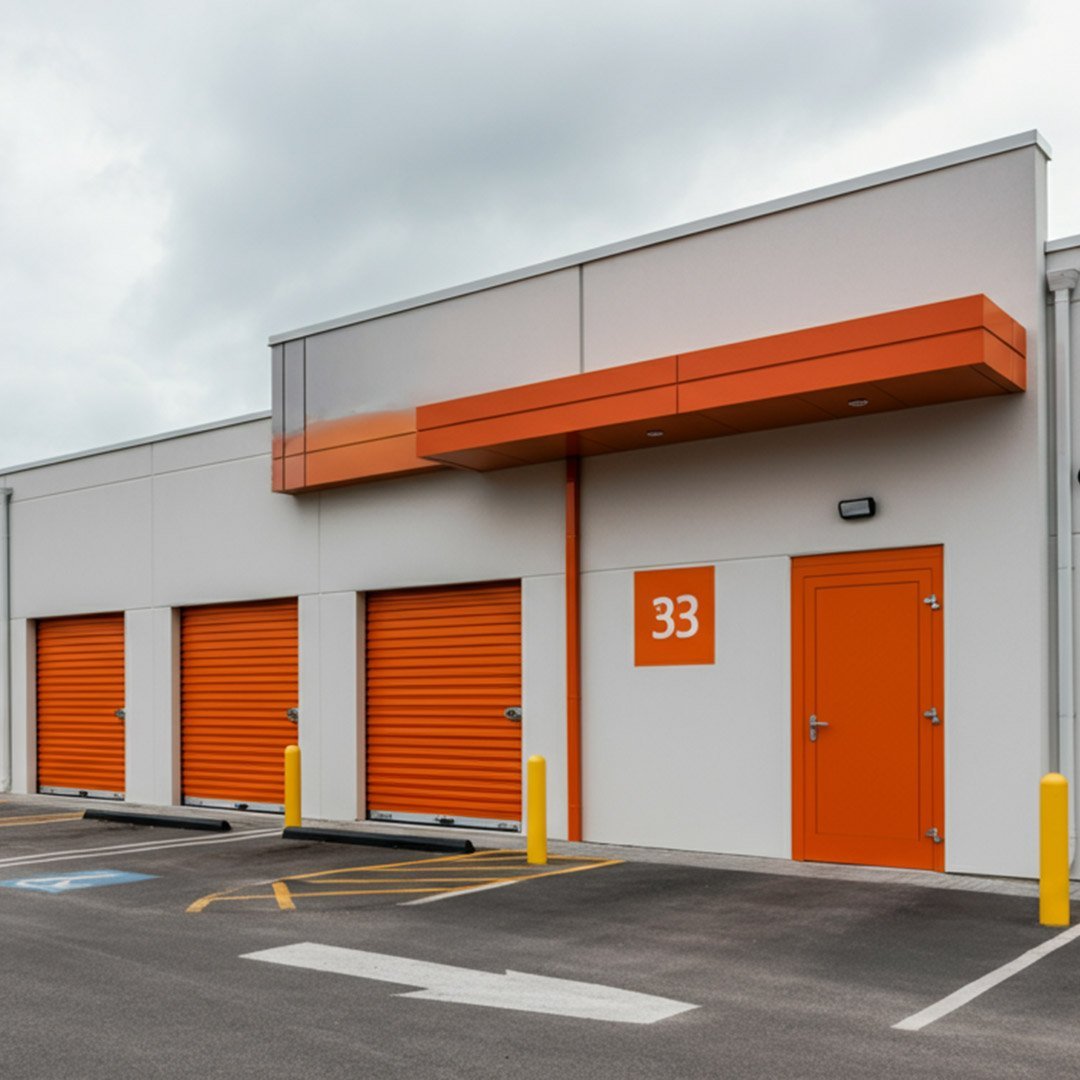
Reserve your storage online
how it works
From Clutter to Clarity — Here’s How We Do It
Lorem ipsum dolor sit amet, consectetur adipiscing elit. Ut elit tellus, luctus nec ullamcorper mattis, pulvinar dapibus leo.
01
Choose Your Storage Unit
Select the right unit size based on your needs — from small personal boxes to larger business storage spaces.
02
Book Online or Contact Us
Reserve your unit instantly through our website or get in touch with our friendly team for assistance.
03
Move In & Store with Confidence
Bring your items, lock up, and enjoy 24/7 secure access to your clean, monitored storage space.

"I needed a quick storage solution during my move, and this company delivered. The process was smooth, the space was clean, and I felt my items were secure."